Costume of the Italian Peninsula, 1581
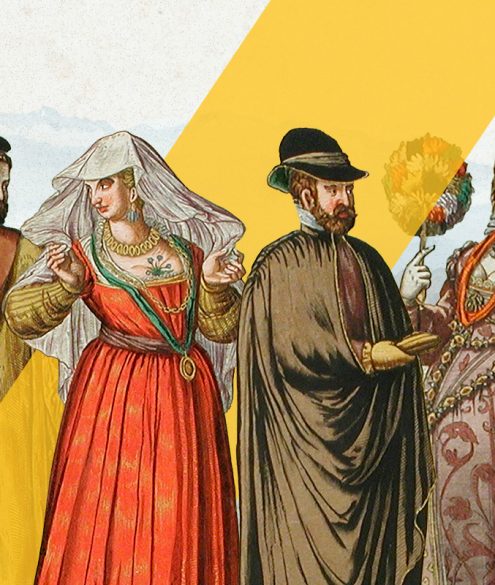
A journey through the clothing of the Italian peninsula at the end of the 16th century — from Rome and Venice to Padua, Florence, Siena, Milan, Bologna, Ferrara and Pisa.

A journey through the clothing of the Italian peninsula at the end of the 16th century — from Rome and Venice to Padua, Florence, Siena, Milan, Bologna, Ferrara and Pisa.
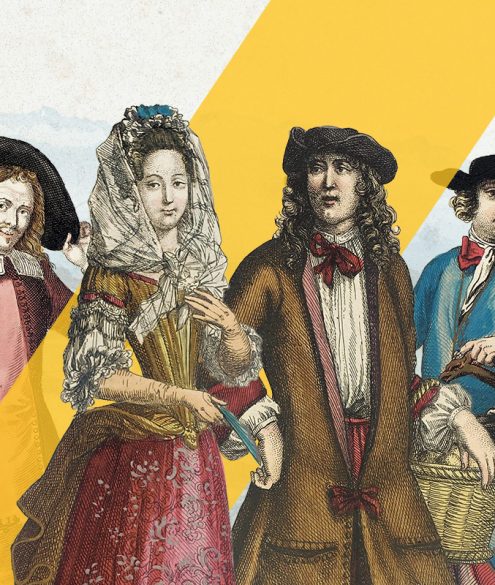
Fashion across social ranks in late 17th-century France By popular request, here is a look at how people from different social backgrounds were represented in late 17th-century France — from men and women of quality to peasants, shepherds, tradespeople, street vendors, a midwife, a financier and members of the clergy.
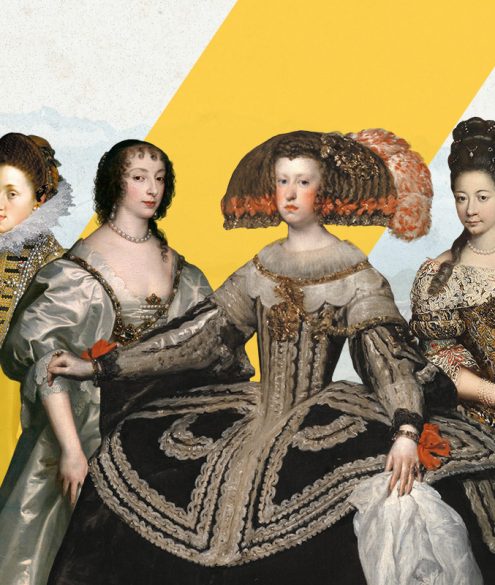
Women’s fashion through the 17th century The 17th century brought major changes to women’s dress, from the rigid and highly structured silhouettes of the late Renaissance to the softer, more fluid fashions of the mid-century, and finally to the elaborate court styles of the late 1600s.
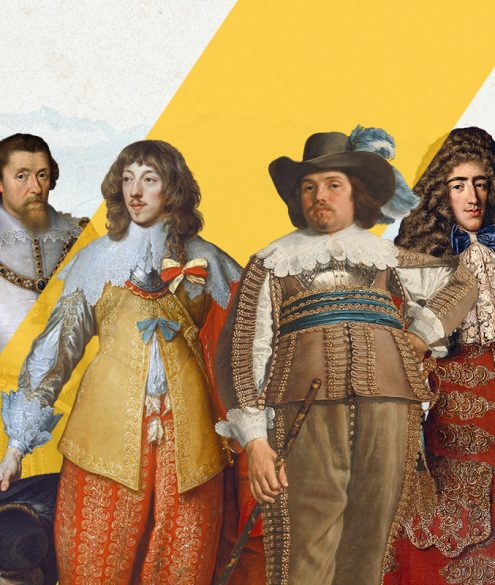
A century of dramatic changes in silhouette, proportion and decoration. At the beginning of the 1600s, men’s dress still carried many features of the late Renaissance:
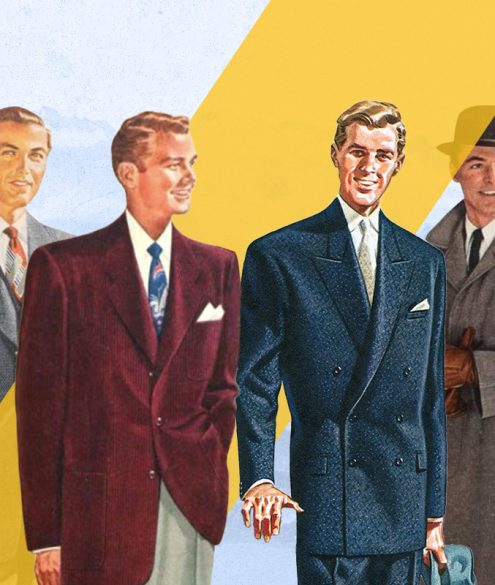
Men’s fashion through the years: 1950–1959 The 1950s marked a shift from the restrained practicality of the war years toward a more polished, prosperous and increasingly varied approach to menswear.

Men’s fashion through the years: 1940–1949 The 1940s were a decade of dramatic change, and men’s fashion reflected both the restrictions of wartime and the renewed optimism that followed.

Men’s fashion through the years: 1930–1939 The 1930s brought a return to a stronger, more structured masculine silhouette. Jackets became broader through the shoulders, waists were more defined, and trousers were cut high and full, creating the elegant proportions associated with the decade.

Men’s fashion through the years: 1920–1929. A year-by-year timeline of men’s style during a decade shaped by postwar change, modern leisure, and the growing influence of youth culture.

The Podstakannik: A Small Object with a Long Story The podstakannik (ru. подстаканник, literally “thing under the glass”) is a tea glass holder with a handle, most commonly made of metal, designed to hold a drinking glass (stakan).

1930’s Brief history of fashion in pictures. Women’s and men’s, headdresses and hairstyles, underwear, swimsuits and bathing suits

Fashion Timelines. Briefly about the West European fashion of the 19th century in pictures.

Women’s headdresses and hairstyles. 17th century. Brief history of fashion in pictures.

Fashion Timelines. Briefly about the West European fashion of the 18th century in pictures.

1920’s Brief history of fashion in pictures. Women’s and men’s, headdresses and hairstyles, underwear, swimsuits and bathing suits

Fashion Timelines. Briefly about the West European fashion of the 17th century in pictures.

1910’s Brief history of fashion in pictures. Women’s and men’s, headdresses and hairstyles, underwear, swimsuits and bathing suits

1900’s Brief history of fashion in pictures. Women’s and men’s, headdresses and hairstyles, underwear, swimsuits and bathing suits

Men’s headdresses and hairstyles. 1700’s – 1790’s. Brief history of fashion in pictures.

Women’s headdresses and hairstyles. 18th century. Brief history of fashion in pictures.

Headgear, headwear or headdress is the name given to any element of clothing which is worn on one’s head. Part 1 Late 17th century – the 19th century.

Zinaida Yevgenyevna Serebriakova (née Lanceray) (1884 – 1967) was a Russian (later French) painter. Zinaida Serebriakova was born on the estate of Neskuchnoye near Kursk into one of the most refined and artistic families in the Russian Empire.

Floriography or the language of flowers is a means of cryptological communication through the use or arrangement of flowers. Meaning has been attributed to flowers for thousands of years, and some form of floriography has been practiced in traditional cultures throughout Europe, Asia, and the Middle East.

1800’s – 1890’s. A brief history of headdresses and hairstyles in pictures.

1800’s – 1890’s. A brief history of headdresses and hairstyles in pictures.

Colored Fashion Show path in George Cukor’s 1939 film, The Women. Costumes designed by Adrian

Chatelaine (from the French term châtelaine) A chatelaine is a decorative belt hook or clasp worn at the waist with a series of chains suspended from it.


