



Hi, I’m jenn!
This is the online home of Whyte, welcome!
with whyte you can really play with Trendy gradients – or you prefer solid colors? that’s Covered too!
Whyte is creative and unique WordPress theme focused on delivering eye-catching design and smooth experience accross all devices, while enabling authors to create rich and vibrant content with ease.
Whyte features one-of-a-kind layout system and selection of elements, typographic, stylistic and blog options. We have carefully imagined and created every detail of the theme in order to inspire and empower authors to effortlessly fuse all this into vivid content.
Breaking the ground
latest from the blog
Saxon Fashion, 1497–1546
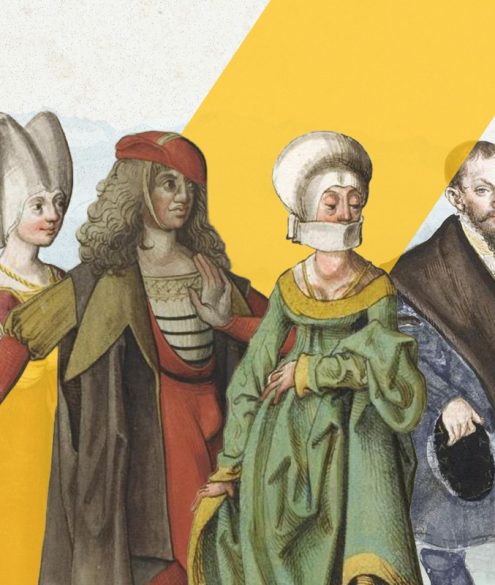
These illustrations come from Das Sächsische Stammbuch, an illustrated genealogical manuscript depicting the rulers of Saxony and their families. The dates refer to different stages of the manuscript’s creation.
Regional Dress of Iberia, 1572
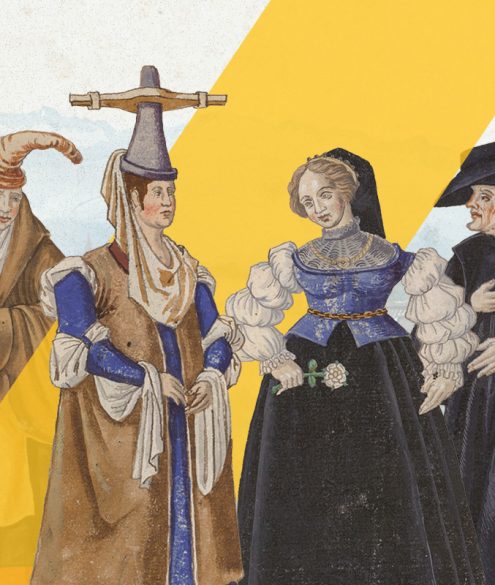
Regional Dress of Iberia and Neighboring Regions, 1572 What did people wear in different regions of the Iberian Peninsula in the late 16th century?
Costume of the Italian Peninsula, 1581
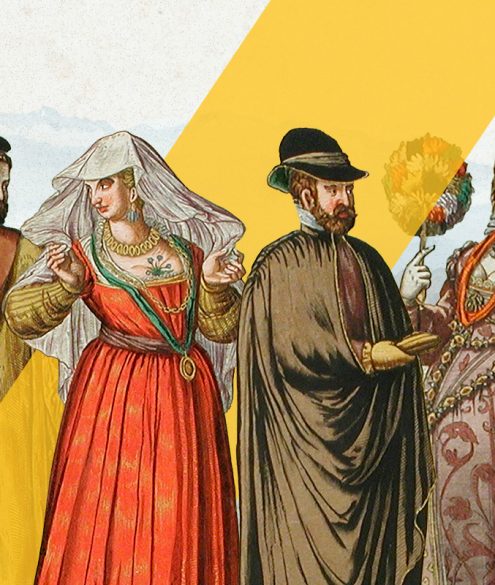
A journey through the clothing of the Italian peninsula at the end of the 16th century — from Rome and Venice to Padua, Florence, Siena, Milan, Bologna, Ferrara and Pisa.
Fashion across social ranks
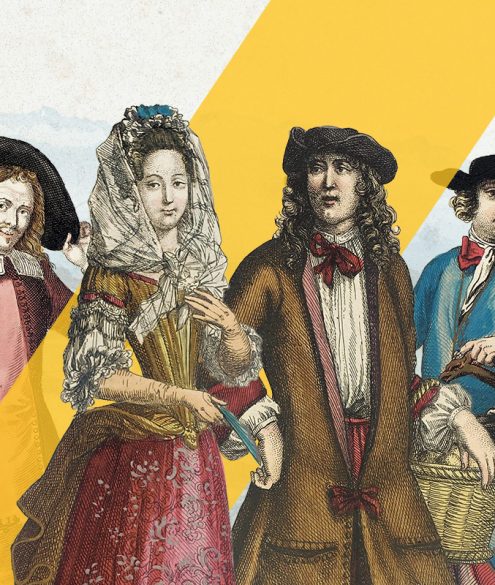
Fashion across social ranks in late 17th-century France By popular request, here is a look at how people from different social backgrounds were represented in late 17th-century France — from men and women of quality to peasants, shepherds, tradespeople, street vendors, a midwife, a financier and members of the clergy.
Women’s fashion 17th century
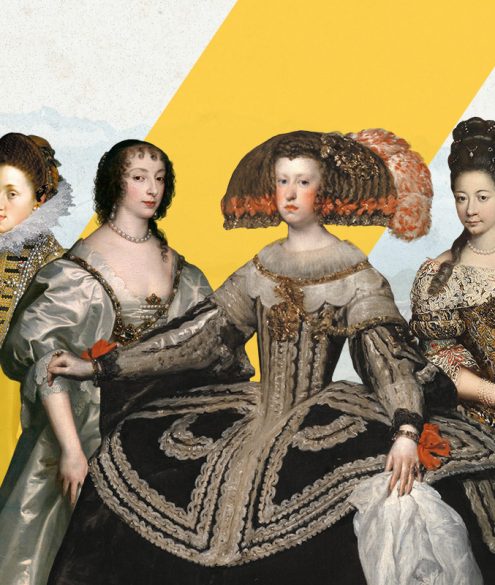
Women’s fashion through the 17th century The 17th century brought major changes to women’s dress, from the rigid and highly structured silhouettes of the late Renaissance to the softer, more fluid fashions of the mid-century, and finally to the elaborate court styles of the late 1600s.
Men’s fashion 17th century
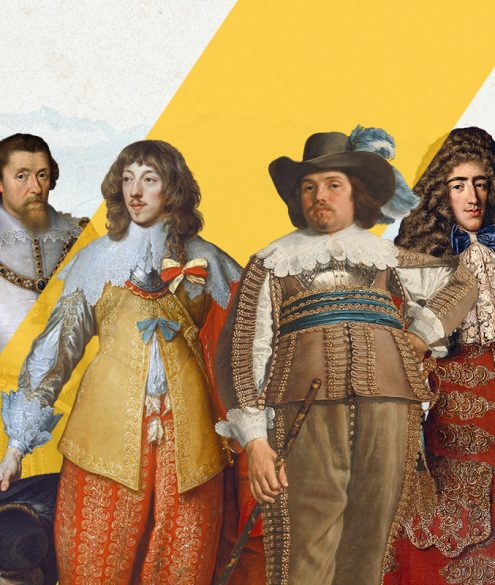
A century of dramatic changes in silhouette, proportion and decoration. At the beginning of the 1600s, men’s dress still carried many features of the late Renaissance:
1950s Men’s fashion
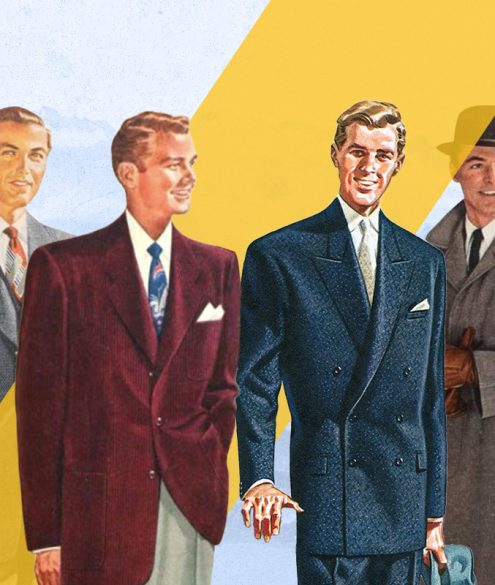
Men’s fashion through the years: 1950–1959 The 1950s marked a shift from the restrained practicality of the war years toward a more polished, prosperous and increasingly varied approach to menswear.
1940s Men’s fashion

Men’s fashion through the years: 1940–1949 The 1940s were a decade of dramatic change, and men’s fashion reflected both the restrictions of wartime and the renewed optimism that followed.
1930s Men’s fashion

Men’s fashion through the years: 1930–1939 The 1930s brought a return to a stronger, more structured masculine silhouette. Jackets became broader through the shoulders, waists were more defined, and trousers were cut high and full, creating the elegant proportions associated with the decade.
1920s Men’s fashion

Men’s fashion through the years: 1920–1929. A year-by-year timeline of men’s style during a decade shaped by postwar change, modern leisure, and the growing influence of youth culture.
1910s Men’s fashion

Men’s fashion through the years: 1910–1919. A year-by-year timeline of men’s style during a decade shaped by elegance, modern life, and the First World War.